
fascial counterstrain
what is Fascial Counterstrain?
Fascial Counterstain (FCS) is a gentle, painless manual therapy that provides immediate and long-lasting results for a variety of issues and complications. It’s also a mouthful to say and is often confused with other treatment approaches. To provide some context I’ve outlined many common aspects of Fascial Counterstrain below.
** Please remember: your body is an extremely complex system. Many of my explanations rely on analogies that are not literally what’s happening within your body. These analogies are helpful ways of envisioning cellular activities but shouldn’t be confused with actual processes.
-
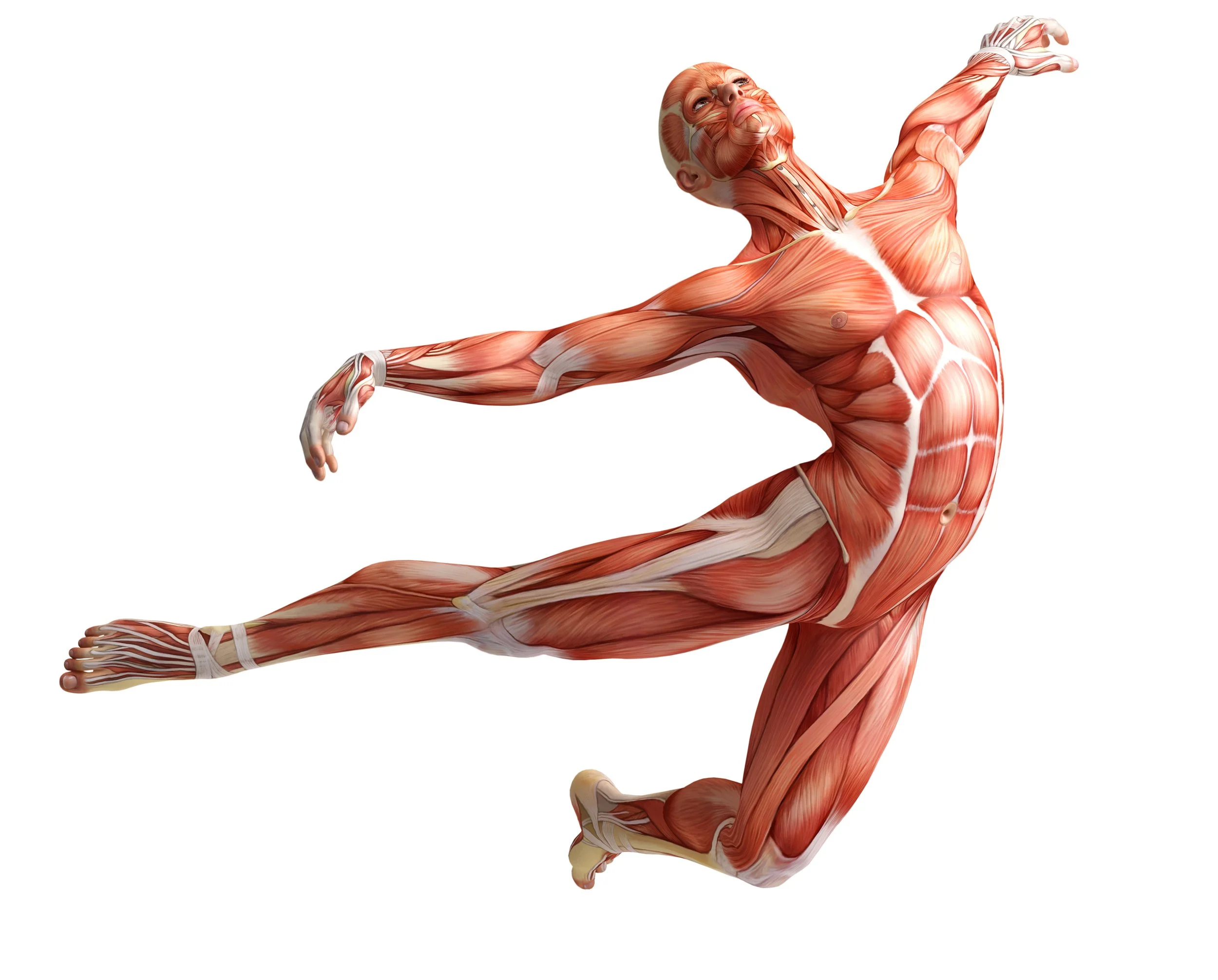
When you experience an injury, illness, or mental stress, your body responds by activating your immune system. When this happens your body contracts the fascia located around the damaged area. Fascia is the continuous web of connective tissues wrapped around your bones, muscles, nerves, organs, blood vessels, and even your skin. When your fascia tightens it compresses lymphatic vessels traveling through the damaged area. This constriction limits blood flow, slows drainage, and irritates nerves. You experience all of this as pain, discomfort, tightness, and lack of mobility.
Fascial Counterstrain (FCS) is the direct manipulation of the damaged tissues causing this inflammatory loop within your body. By placing your body in simple positions the inflamed area is calmed down, the loop is broken, and your body can reset. Healthy blood flow and nerve signaling return, and your pain and discomfort are alleviated.
-
Fascial Counterstrain has been shown to have very positive impacts across a wide variety of issues and may help if you’re experiencing any of the following:
Spine & Joint Issues: Chronic back and neck pain, bulging or herniated discs, knee or elbow inflammation, bursitis, excessive joint stiffness, repeated ankle sprains.
Vascular & Lymphatic Issues: Chronic swelling, poor circulation, brain fog, fatigue, non-restorative sleep.
Neurological Symptoms: Chronic headaches/migraines, numbness, tingling/radiating pain, TBI symptoms, vertigo, sciatica.
Chronic Pain & Sensitization: Fibromyalgia, central sensitization syndrome (CSS), old injuries that never quite heal.
Visceral & Systemic Distress: Chronic digestive issues, pelvic floor dysfunction, respiratory restrictions or chronic infections (sinus infections, bronchitis, autoimmune disorders).
Please feel free to contact me if you have questions about the specific health challenges you’re experiencing.
-
The simplest explanation is that Fascial Counterstrain (FCS) is highly-specific, painless, and provides immediate and long-lasting results.
Most manual therapies take one of two approaches: either they work against resistant tissues or they work with those tissues. Fascial Counterstrain, Myofascial Release and Craniosacral Therapy all work with resistant tissues, while chiropractic adjustments, Rolfing and deep tissue massage all work against resistance. Both types of therapies are useful, but their efficacy depends on the quality of the tissue being treated.
If you have damaged or inflamed tissues, such as:
Irritated or pinched nerves,
Unexplained muscular weakness,
Global inflammation,
Resistant or un-stretchable soft tissues,
An uneven or painful gait,
Head/face/cervical trauma, or
Misaligned posture,
you will see greater and more long-lasting benefits from working with your body’s preferred direction of ease. There are several reasons for this, but the most significant is that this approach immediately sends signals to your brain that your body has returned to a safe state. From this state you can begin repairing and rebuilding injured tissues.
This is not to downplay the positive effects of resistance therapies, including plain old exercise. Rather it’s to note that by definition such activities add inflammation to already stressed systems and for that reason can only take you so far. Resistance training releases endorphins, encourages blood circulation and promotes parasympathetic signaling. These will leave you feeling temporarily good, but until you address the underlying causes of your pain those gains will quickly disappear.
In my experience, the most effective approach frontloads Fascial Counterstrain work to encourage your body to heal before turning to resistance training. This is why I also offer Mobility Training and Core + Breath Programs to build on the gains made with Fascial Counterstain.
-
I begin each session by reviewing your health history, discussing your challenges and concerns, assessing your posture and range of motion, and outlining the goals you’d like to accomplish.
After that I’ll conduct motion tests and perform several cranial scans to map problem areas in your body. I do this because your entire fascial system is interconnected and restrictions often manifest along specific tension lines on your skull. This is pain-free and will feel like a slightly pokey scalp massage.
We’ll then move on to the treatment portion of your session. I’ll move your body through various positions to help clear away inflammation. These positions are comfortable and won’t involve strain. All you have to do is relax. I’ll alternate between cranial scans and positional adjustments and before you know it you’ll be feeling like new, or at least better than you did when you came in.
Each session will end with a reassessment. We’ll note changes in your body and address any questions you might have. We’ll also discuss treatment plans and build a roadmap for the future.
-
Because our bodies are different there’s no guaranteed outcome for how you’ll feel after a session. Some people leave feeling energized and ready to go, while others feel fuzzy and tired. Listen to your body and give yourself the space and time needed to adapt to the changes we’ve effected. No matter how you feel, here are several things I’ve consistently found to be useful for after-appointment care:
Movement: Take an easy, 5-10 minute walk after leaving your session. Swing your arms, stretch your legs and let your body adjust before getting back in the car or into your office chair.
Hydration: Fascial Counterstrain can be very dehydrating. Plan on drinking 24-32 oz of water within two hours of leaving.
Rest: You may be tired and need to rest after your appointment.
Soreness: You may experience muscle soreness for 24-48 hours after your appointment, as if you’ve had a rough workout.
Do not engage in heavy or complex lifting for at least 2-hours after your session; your brain needs time to reset its proprioception.
I always send out a follow-up communication 2-3 days after your appointment. If you have any questions or concerns we can address them at that point.